🇧🇻 Bouvet Island
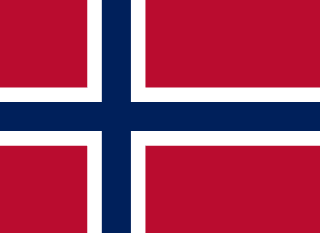 National Flag
Geography & Borders
This country has no land borders.
Introduction & Background
Bouvet Island (/ˈbuːveɪ/ boo-VAY; Template:Lang-no3 Template:IPA-no or Bouvetøyen)4 is an island claimed by Norway, and declared an uninhabited protected nature reserve. It is a subantarctic volcanic island, situated in the South Atlantic Ocean at the southern end of the Mid-Atlantic Ridge, making it the world's most remote island. It is not part of the southern region covered by the Antarctic Treaty System.
The island lies 1,700 kilometres (1,100mi) north of the Princess Astrid Coast of Queen Maud Land, Antarctica, 1,900 kilometres (1,200mi) east of the South Sandwich Islands, 1,600 kilometres (990mi) south of Gough Island, and 2,600 kilometres (1,600mi) south-southwest of the coast of South Africa. It has an area of 49 square kilometres (19sqmi), 93percent of which is covered by a glacier. The centre of the island is the ice-filled crater of an inactive volcano. Some skerries and one smaller island, Larsøya, lie along its coast. Nyrøysa, created by a rock slide in the late 1950s, is the only easy place to land and is the location of a weather station.
Minerals
No mineral species have their type localities (original discovery site) defined within Bouvet Island in the Wikidata database. Explore other galleries to view geographic and climate data.
Flora & Flowers
Bouvet Island is home to a diverse range of plant species. Explore some of the native plants and flowers found in Bouvet Island below:
Loading plant species...
Animals & Wildlife
Bouvet Island is home to a diverse range of animal species. Explore some of the native animals and wildlife found in Bouvet Island below:
Loading animal species...
Music Albums
Explore the top 30 most-played music albums in Bouvet Island, sourced from Apple Music charts:
Loading music charts…