🇪🇨 Ecuador
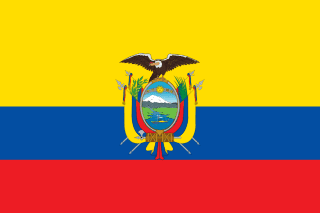 National Flag
Geography & Borders


Introduction & Background
Ecuador (/ˈɛkwədɔːr/ⓘ EK-wə-dor; Template:IPA-es; Quechua: Ikwayur; Shuar: Ecuador or Ekuatur),1314 officially the Republic of Ecuador (Template:Lang-es, which literally translates as "Republic of the Equator"; Quechua: Ikwadur Ripuwlika; Shuar: Ekuatur Nunka),1516 is a country in northwestern South America, bordered by Colombia on the north, Peru on the east and south, and the Pacific Ocean on the west. Ecuador also includes the Galápagos Islands in the Pacific, about 1,000 kilometers (621mi) west of the mainland. The country's capital and largest city is Quito.
The territories of modern-day Ecuador were once home to a variety of Indigenous groups that were gradually incorporated into the Inca Empire during the 15th century. The territory was colonized by Spain during the 16th century, achieving independence in 1820 as part of Gran Colombia, from which it emerged as its own sovereign state in 1830. The legacy of both empires is reflected in Ecuador's ethnically diverse population, with most of its 17.8 million people being mestizos, followed by large minorities of Europeans, Native American, and African descendants. Spanish is the official language and is spoken by a majority of the population, though 13 Native languages are also recognized, including Quechua and Shuar.
Minerals
No mineral species have their type localities (original discovery site) defined within Ecuador in the Wikidata database. Explore other galleries to view geographic and climate data.
Flora & Flowers
Ecuador is home to a diverse range of plant species. Explore some of the native plants and flowers found in Ecuador below:
Loading plant species...
Animals & Wildlife
Ecuador is home to a diverse range of animal species. Explore some of the native animals and wildlife found in Ecuador below:
Loading animal species...
Music Albums
Explore the top 30 most-played music albums in Ecuador, sourced from Apple Music charts:
Loading music charts…