🇲🇶 Martinique
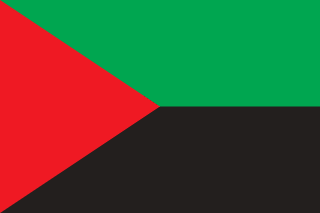 National Flag
Geography & Borders
This country has no land borders.
Introduction & Background
Martinique (/ˌmɑːrtɪˈniːk/ MAR-tin-EEK, Template:IPA-fr; Template:Lang-gcf or Matnik;7 Kalinago: Madinina or Madiana) is an island and an overseas department/region and single territorial collectivity of France. An integral part of the French Republic,8 Martinique is located in the Lesser Antilles of the West Indies in the eastern Caribbean Sea. It has a land area of 1,128km2 (436sqmi) and a population of 364,508 inhabitants as of January 2019.9 One of the Windward Islands, it is directly north of Saint Lucia, northwest of Barbados and south of Dominica. Martinique is an Outermost Region and a special territory of the European Union; the currency in use is the euro. Virtually the entire population speaks both French (the sole official language) and Martinican Creole.10
It is thought that Martinique is a corruption of the Taíno name for the island (Madiana/Madinina, meaning 'island of flowers', or Matinino, 'island of women'), as relayed to Christopher Columbus when he visited the island in 1502.11 According to historian Sydney Daney, the island was called Jouanacaëra or Wanakaera by the Caribs, which means 'the island of iguanas'.12
Minerals
No mineral species have their type localities (original discovery site) defined within Martinique in the Wikidata database. Explore other galleries to view geographic and climate data.
Flora & Flowers
Martinique is home to a diverse range of plant species. Explore some of the native plants and flowers found in Martinique below:
Loading plant species...
Animals & Wildlife
Martinique is home to a diverse range of animal species. Explore some of the native animals and wildlife found in Martinique below:
Loading animal species...
Music Albums
Explore the top 30 most-played music albums in Martinique, sourced from Apple Music charts:
Loading music charts…