🇹🇹 Trinidad and Tobago
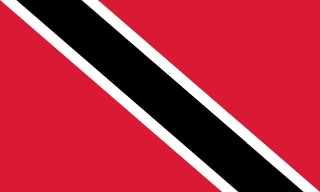 National Flag
Geography & Borders
This country has no land borders.
Introduction & Background
Trinidad and Tobago (/ˈtrɪnɪdæd...təˈbeɪɡoʊ/ⓘ, /- toʊ-/), officially the Republic of Trinidad and Tobago, is the southernmost island country in the Caribbean. Consisting of the main islands Trinidad and Tobago, and numerous much smaller islands, it is situated 130 kilometres (81 miles) south of Grenada and 11 kilometres (6.8 miles) off the coast of northeastern Venezuela.10 It shares maritime boundaries with Barbados to the northeast, Grenada to the northwest and Venezuela to the south and west.1112 Trinidad and Tobago is generally considered to be part of the West Indies. The island country's capital is Port of Spain, while its largest and most populous city is San Fernando.
The island of Trinidad was inhabited for centuries by Indigenous peoples before becoming a colony in the Spanish Empire, following the arrival of Christopher Columbus, in 1498. Spanish governor José María Chacón surrendered the island to a British fleet under the command of Sir Ralph Abercromby in 1797.13 Trinidad and Tobago were ceded to Britain in 1802 under the Treaty of Amiens as separate states and unified in 1889.14 Trinidad and Tobago obtained independence in 1962, becoming a republic in 1976.1510
Minerals
No mineral species have their type localities (original discovery site) defined within Trinidad and Tobago in the Wikidata database. Explore other galleries to view geographic and climate data.
Flora & Flowers
Trinidad and Tobago is home to a diverse range of plant species. Explore some of the native plants and flowers found in Trinidad and Tobago below:
Loading plant species...
Animals & Wildlife
Trinidad and Tobago is home to a diverse range of animal species. Explore some of the native animals and wildlife found in Trinidad and Tobago below:
Loading animal species...
Music Albums
Explore the top 30 most-played music albums in Trinidad and Tobago, sourced from Apple Music charts:
Loading music charts…