🇳🇦 Namibia
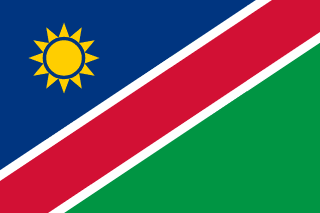 National Flag
Geography & Borders


Introduction & Background
Namibia (/nəˈmɪbiə/ⓘ, /næˈ-/),1516 officially the Republic of Namibia, is a country in Southern Africa. Its western border is the Atlantic Ocean. It shares land borders with Zambia and Angola to the north, Botswana to the east and South Africa to the south and east. Although it does not border Zimbabwe, less than 200 metres (660 feet) of the Botswanan right bank of the Zambezi River separates the two countries. Namibia gained independence from South Africa on 21 March 1990, following the Namibian War of Independence. Its capital and largest city is Windhoek. Namibia is a member state of the United Nations (UN), the Southern African Development Community (SADC), the African Union (AU) and the Commonwealth of Nations.
The driest country in sub-Saharan Africa,17 Namibia has been inhabited since pre-historic times by the San, Damara and Nama people. Around the 14th century, immigrating Bantu peoples arrived as part of the Bantu expansion. Since then, the Bantu groups, the largest being the Ovambo, have dominated the population of the country; since the late 19th century, they have constituted a majority. Today Namibia is one of the least densely populated countries in the world.
Minerals
Namibia is the type locality (the site where the mineral was first discovered and described) for 103 recognized mineral species. Explore these discoveries below:
Loading mineral discoveries...
Flora & Flowers
Namibia is home to a diverse range of plant species. Explore some of the native plants and flowers found in Namibia below:
Loading plant species...
Animals & Wildlife
Namibia is home to a diverse range of animal species. Explore some of the native animals and wildlife found in Namibia below:
Loading animal species...
Music Albums
Explore the top 30 most-played music albums in Namibia, sourced from Apple Music charts:
Loading music charts…